
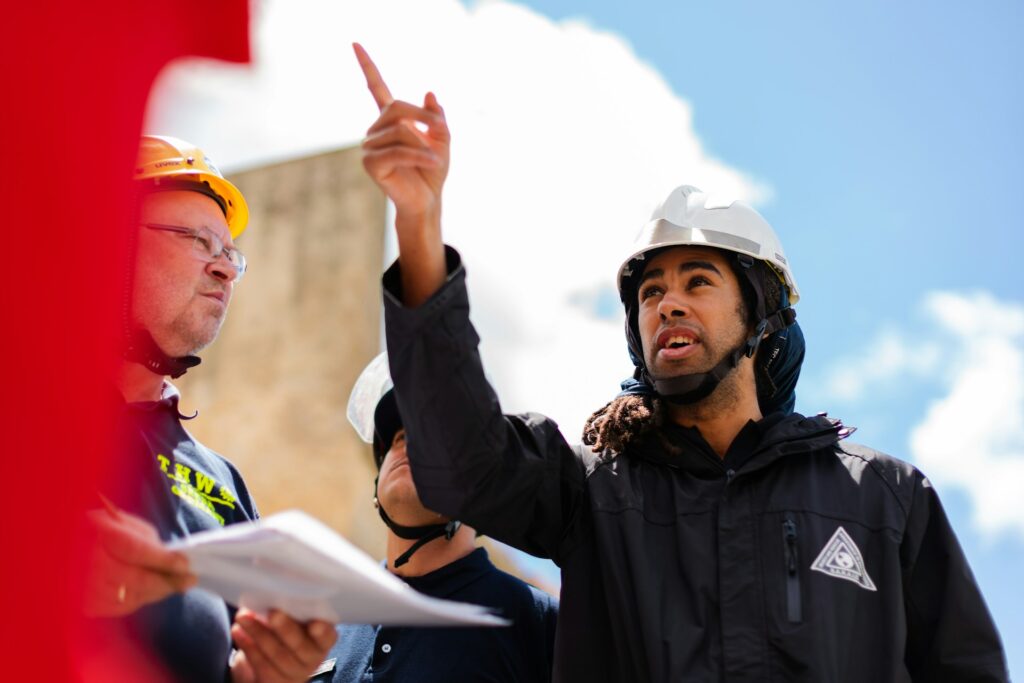
Keeping a building in optimal condition doesn’t have to be an uncontrolled expense. With a smart strategy, it’s possible to optimize resources, extend the lifespan of facilities, and ensure occupant safety.
Adopt a Preventive Approach
Regular inspections and early detection of potential issues prevent small problems from turning into urgent and costly repairs. Scheduling routine checks of electrical, plumbing, HVAC, and structural systems allows you to anticipate problems and plan interventions efficiently.
Prioritize Strategic Repairs and Replacements
Not all systems require the same level of attention. Identifying critical systems and addressing them promptly helps maintain them in perfect condition without wasting resources. Replacing worn-out components on time can prevent major failures and reduce overall maintenance costs.
Optimize Energy Efficiency
Responsible use of electricity, heating, and water not only lowers bills but also protects the building in the long term. Optimized HVAC systems, LED lighting, and smart thermostats are examples of measures that combine savings and functionality.
Rely on a Professional Team
Specialized technicians can detect problems that might go unnoticed and provide solutions tailored to each building. Working with clear budgets and planning scheduled interventions, rather than relying on emergencies, ensures more efficient and cost-effective maintenance.
Train Internal Staff
Early problem detection allows for preventive action, avoiding emergency repairs that increase expenses and compromise safety. Training internal staff to recognize signs of wear and report issues contributes to more effective and economical maintenance.
Saving on maintenance doesn’t mean sacrificing safety. With a preventive approach, energy efficiency, and professional support, it’s possible to keep your building in top condition, reduce costs, and ensure safe, reliable operation all year round.